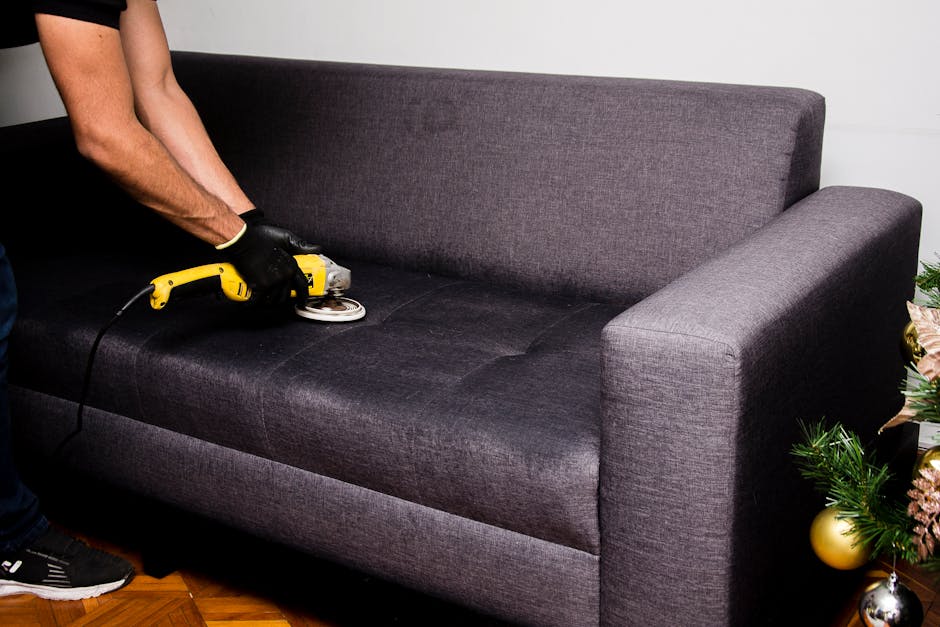
Chelsfield Village upholstery cleaning guide for family homes

If you live in a busy family home, upholstery can take a beating faster than you'd expect. Sofas gather crumbs, armchairs pick up everyday grime, dining chairs get mystery marks, and pet hair seems to appear from nowhere. This Chelsfield Village upholstery cleaning guide for family homes is designed to help you make sensible choices, protect your furniture, and keep your home feeling clean without overcomplicating the process. Truth be told, most people wait a bit too long before tackling upholstery properly.
That's understandable. Fabric care can feel confusing, especially when different cushions, fibres, and stains all need slightly different treatment. In this guide, you'll learn how upholstery cleaning works, which methods suit family homes best, what mistakes to avoid, and when it makes sense to call in professional help. You'll also find a straightforward checklist and a comparison table so you can decide what's worth doing yourself and what isn't.
Why Chelsfield Village upholstery cleaning guide for family homes Matters
Upholstery is one of those parts of the home you stop noticing until it starts looking tired. Then suddenly the whole room feels a bit dull, even if everything else is tidy. In family homes, that happens sooner because life is simply messier: school bags get dropped on the sofa, snacks leave small grease spots, and little hands do not exactly respect the "sit carefully" rule.
Regular upholstery cleaning matters for three simple reasons: appearance, hygiene, and furniture life. Fabric fibres trap dust, oils, skin flakes, crumbs, and airborne particles. Over time, these build up and make cushions look flat and colours look faded. And once a stain settles in, it can be much harder to remove cleanly. Not impossible, but harder.
There's also the comfort factor. A freshly cleaned sofa or dining chair just feels better. The room smells cleaner, colours look brighter, and the furniture tends to feel less sticky or dusty. If you have young children, pets, or anyone with sensitivities to dust, keeping upholstery clean becomes less of a "nice extra" and more of a practical household habit.
For many homes in and around Chelsfield Village, upholstery cleaning sits alongside other regular care routines such as carpet cleaning, rug cleaning, and curtain cleaning. That combination makes sense because soft furnishings tend to collect dust in the same places. Clean one item in isolation and the room may still feel slightly off. Clean the whole soft-furnishing picture and the difference is much more noticeable.
Expert summary: In a family home, upholstery cleaning is not just about stains. It's about keeping fabrics fresher for longer, reducing build-up, and making the living room feel genuinely cared for.
How Chelsfield Village upholstery cleaning guide for family homes Works
At its core, upholstery cleaning is a controlled process of loosening dirt, lifting residue, and removing moisture or debris without damaging the fabric or stuffing underneath. That sounds simple. It isn't always simple in practice, because upholstery fabrics vary a lot. Some can handle deeper moisture extraction, while others need a lighter touch.
The first step is identification. A cleaner or homeowner should check the fibre type, the condition of the fabric, and any care label instructions. Cotton blends, synthetics, wool mixes, velvet, and microfibre all react differently. A "one method fits all" approach can go wrong very quickly, and usually at the worst possible moment.
Then comes pre-treatment. This is where dry soil, crumbs, and pet hair are removed before water or solution is used. If you skip this stage, loose dirt tends to turn into a muddy mess. It's a small step, but a very important one.
After that, the cleaning method is chosen. Some jobs only need a targeted spot treatment. Others may benefit from hot water extraction, low-moisture cleaning, or specialist stain removal. For heavier family-home use, steam-based approaches can be effective when used properly, which is why many people compare them with steam carpet cleaning techniques, even though upholstery requires more care and a lighter hand.
The process usually ends with controlled drying. This stage matters more than many people realise. A piece that stays damp too long can feel unpleasant, attract musty odours, or risk shrinkage depending on the fabric. You want clean upholstery, yes, but you also want it dry at the right pace.
Key Benefits and Practical Advantages
When upholstery is cleaned properly, the benefits are very real and easy to notice day to day. You do not need a dramatic before-and-after story to see the point. Even a modest improvement can change how a family room feels.
- Longer fabric life: Dirt and body oils act like grit, gradually wearing fibres down. Regular cleaning helps slow that process.
- Better indoor freshness: Upholstery often holds odours from food, pets, and everyday living. Cleaning can reduce that stale, "lived-in" smell.
- Improved appearance: Colours look sharper, pile stands up better, and old stains become less obvious.
- More comfortable seating: A clean fabric surface feels nicer, especially on the arms, headrests, and seat cushions.
- Helpful for busy households: Families with children or pets tend to benefit most because their furniture sees constant use.
There's a practical benefit too: cleaning regularly can reduce the need for emergency stain rescue. That is a lifesaver on a Sunday evening when someone has just spilled squash, and the couch suddenly becomes the centre of attention. Not ideal. But manageable if the furniture has been cared for properly.
For homes where pets are part of the story, it can also help to look at pet stain and odour removal support as part of the overall soft-furnishing plan. Pet issues tend to spread beyond one cushion, so a wider approach often works better than treating the visible mark only.
Who This Is For and When It Makes Sense
This guide is especially useful for families who use their furniture heavily and want to keep things looking presentable without replacing pieces too soon. That includes households with toddlers, teenagers, pets, frequent visitors, or simply a lot of real life happening in one room.
It also makes sense if you're noticing any of the following:
- the sofa has dull patches or arm marks
- seat cushions smell faintly stale
- fabric looks matted or slightly grey
- small stains keep reappearing after drying
- someone in the house is more sensitive to dust
- you are getting ready for guests, photos, or a seasonal refresh
Some people think upholstery cleaning is only for obvious messes. Not quite. In many homes, it's the quiet build-up that matters most. A sofa can look "fine" for months and still hold a lot more dirt than you'd want sitting under your child's homework, biscuits, and favourite blanket.
If the furniture is valuable, antique, or made from delicate fabric, it is often wise to be cautious. And if you're not sure whether a material is colourfast, it is better to test a hidden spot or ask for professional advice than to guess. Guessing and upholstery do not always get along.
Step-by-Step Guidance
Here's a sensible, family-home-friendly approach that works for most everyday upholstery care situations.
- Read the care label first. Look for cleaning codes or fabric notes. If the label is missing, treat the item cautiously.
- Vacuum thoroughly. Use an upholstery attachment and get into seams, under cushions, and along piping. That's where the mess hides.
- Check for loose dirt or debris. Pick up anything solid before applying liquid. A surprising amount of damage starts with a missed biscuit crumb.
- Test any cleaner in a hidden area. Wait for it to dry and check for colour change, water marks, or texture changes.
- Treat stains gently. Blot rather than rub. Rubbing often spreads the stain and roughs up the fabric.
- Apply the right method for the fabric. Use minimal moisture where possible, and avoid soaking the foam underneath.
- Rinse or lift residue carefully. Leftover cleaning product can attract more dirt later.
- Dry the item properly. Open windows if appropriate, use airflow, and avoid sitting on the furniture until it is fully dry.
If the marks are widespread, the smell has soaked in, or the upholstery has not been cleaned for years, professional upholstery cleaning is usually a better option than a heroic DIY effort on a Saturday afternoon. Let's face it, some jobs are just more complex than they first look.
Expert Tips for Better Results
Small decisions make a big difference with fabric care. Most of the good outcomes come from restraint, patience, and a bit of method.
- Work from the outside of the stain inward. This helps stop the mark spreading.
- Use white or colourfast cloths. Bright towels can transfer dye, especially when damp.
- Keep heat low. High heat can set certain stains and distort some fibres.
- Do not overwet seams. Seams and under-cushion areas trap moisture more easily.
- Air out the room. A little airflow can reduce drying time more than people expect.
- Clean before stains become old stains. Fresh marks are usually simpler to remove.
- Rotate cushions. That keeps wear more even and helps the furniture age gracefully.
A useful habit in family homes is to treat the sofa almost like a high-traffic textile, not a decoration. That sounds obvious, but it changes behaviour. You vacuum more often. You respond to spills more quickly. You stop assuming the fabric is fine just because it is still upright. The fabric is working hard, basically.
If your household also has soft furnishings in nearby rooms, it can be smart to coordinate care with mattress cleaning and sofa cleaning rather than treating each item as an isolated task. That gives a more complete freshness across the home.
Common Mistakes to Avoid
Most upholstery problems come from well-intentioned mistakes. People try to fix the issue quickly and accidentally make it more complicated.
- Rubbing stains hard: This can push dirt deeper and damage the fabric pile.
- Using too much water: Excess moisture can leave rings, cause long drying times, or affect padding.
- Skipping the test patch: This is one of the easiest ways to cause avoidable damage.
- Using the wrong product: Not every cleaner suits every material. A strong product is not automatically a better product.
- Ignoring odour sources: If the smell is coming from the filling or a hidden spill, surface cleaning alone may not solve it.
- Cleaning only the visible stain: That can leave a tide mark or outline on the fabric.
Here's a simple rule: if you feel rushed, pause. The extra five minutes spent checking the fabric usually saves you from a repair headache later. Upholstery is forgiving sometimes, but not always. A mug of tea and a calm brain help more than panic does.
Tools, Resources and Recommendations
You do not need a van full of specialist kit to keep family-home upholstery in decent shape. A small, sensible set of tools is often enough for maintenance and minor spot treatment.
- soft upholstery vacuum attachment
- microfibre cloths
- clean white towels
- soft-bristle brush
- spray bottle for light application
- mild fabric-safe cleaning solution
- gloves for sensitive skin
For larger or more delicate jobs, professional equipment can make a noticeable difference. Services such as stain removal and rug cleaning often use controlled extraction methods and targeted treatments that are difficult to replicate well at home.
If you are comparing help options, it also makes sense to check practical details such as how the company handles pricing and quotes, plus the basics around payment and security. Families often want straightforward service with no awkward surprises. Fair enough, really.
Law, Compliance, Standards and Best Practice
For a domestic homeowner, upholstery cleaning is not usually a heavily regulated activity in the way some trades are. Still, there are sensible UK best-practice points worth keeping in mind, especially if children, pets, allergies, or older furnishings are involved.
First, chemical safety matters. Cleaning products should be used according to their instructions, with ventilation where needed and careful storage away from children. If you are using any professional service, it is reasonable to ask how they approach health and safety, especially in a family home. A good provider should be comfortable discussing practical precautions.
Second, insurance and risk control matter. If furniture is expensive or the fabric is delicate, you want reassurance that the work is being carried out carefully. It is sensible to review a provider's insurance and safety information and, where relevant, their health and safety policy. That is not overcautious. That is just decent household management.
Third, consumer expectations should be realistic. Upholstery cleaning can improve appearance and freshness significantly, but it cannot always erase every mark, especially where fabric has been worn, sun-faded, or previously treated with the wrong cleaner. Honest expectations are better than wishful ones. Small thing, but important.
If you are choosing a business, it can also help to check company information such as the about us page, the terms and conditions, and the available route for raising concerns if needed through the complaints procedure. That kind of clarity matters, especially when someone is working in your home.
Options, Methods, or Comparison Table
Different upholstery situations call for different methods. Here's a practical comparison to help you decide what fits best.
| Method | Best for | Advantages | Watch-outs |
|---|---|---|---|
| Light vacuuming and spot care | Routine maintenance, crumbs, small fresh spills | Quick, low-cost, simple to repeat | Won't deal with deep dirt or embedded odours |
| DIY fabric cleaning | Small stain patches on suitable fabrics | Affordable and convenient | Risk of overwetting, colour loss, or residue |
| Professional upholstery cleaning | Busy family sofas, older furniture, broader soil build-up | More thorough, better equipment, safer for many fabrics | Costs more than DIY and may require drying time |
| Targeted stain and odour treatment | Pet accidents, food marks, lingering smells | Focused and often more effective than general cleaning | Requires correct identification of the stain source |
For many family homes, the sweet spot is a mix: regular vacuuming, prompt spot treatment, and periodic professional cleaning. That combination tends to be realistic, and realism matters. It's what keeps the furniture looking decent in the long run without turning your weekend into a cleaning marathon.
If you're also caring for curtains or other soft furnishings, looking at curtain cleaning alongside upholstery care can create a more complete result. Dust does not respect room boundaries, unfortunately.
Case Study or Real-World Example
Here's a familiar kind of family-home scenario. A three-seat sofa in a living room starts off looking fine, then over time the arms darken a little, the seat cushions flatten, and one patch near the middle develops a faint drink mark that never quite goes away. Nothing dramatic. Just enough to make the whole room look a bit tired.
The family has two children and a dog, so the sofa gets used morning to night. They vacuum occasionally, wipe obvious spills, and keep saying they'll deal with it properly "next weekend". You know how that goes. A few weeks become a few months.
Once they finally clean it, they discover the fabric was holding much more surface dirt than expected. The colour looks lighter, the cushions feel fresher, and the faint odour from daily use has reduced noticeably. The old drink mark is less visible, though not totally gone, which is a fair result for a long-set stain. The main win is not perfection. It is that the sofa feels like part of a cared-for home again.
That is the real value of this kind of cleaning. It does not need to be dramatic to be useful. Sometimes the best result is simply walking into the room and thinking, yes, that feels better.
Practical Checklist
Use this checklist before cleaning upholstery in a family home.
- Check the fabric care label or any manufacturer guidance
- Vacuum cushions, seams, and under-seat areas first
- Test the cleaner in a hidden spot
- Blot fresh spills gently instead of rubbing
- Use the least moisture needed for the job
- Keep children and pets away while the item dries
- Open windows or improve airflow where appropriate
- Inspect the item once dry for rings, residue, or missed spots
- Consider professional help if the stain is old, oily, or large
- Plan regular maintenance so dirt does not build up again too quickly
One last practical note: if you are managing the whole home refresh at once, it can be useful to coordinate upholstery work with recycling and sustainability practices such as reusing cloths where appropriate and avoiding unnecessary product waste. Not glamorous, but it helps.
Conclusion
Chelsfield Village family homes need upholstery care that is realistic, safe, and effective. The good news is that most upholstery problems become much easier when you stay ahead of dirt, treat spills quickly, and choose methods that match the fabric rather than forcing a one-size-fits-all solution.
Regular maintenance keeps your furniture looking better, smelling fresher, and lasting longer. And when the job is more than a quick wipe-down, professional support can save time, reduce risk, and deliver a cleaner result than a do-it-yourself attempt. The key is not perfection. It is consistent care that fits real family life.
If you're ready to improve the look and feel of your home, start with the furniture you use most, and work outward from there. A cleaner sofa can quietly lift the whole room. Funny how that works.
Get a free quote today and see how much you can save.
Frequently Asked Questions
How often should family homes clean upholstery?
For most busy homes, light maintenance should happen weekly or fortnightly, while deeper upholstery cleaning is usually needed less often depending on use, pets, and spills. High-traffic sofas may need more frequent attention than guest-room chairs.
What is the safest way to clean a sofa with children around?
Use minimal moisture, keep products away from children, and allow the fabric to dry fully before anyone sits on it again. If you are using a stronger cleaning solution, improve ventilation and keep little hands well clear until the area is dry.
Can I use the same method on every type of upholstery?
No, and that is where people often get caught out. Different fabrics react differently to water, heat, and cleaning products. Always check the care label and test any method in a hidden area first.
How do I remove fresh spills from upholstery?
Blot the spill gently with a clean cloth and work from the outside of the mark inward. Avoid rubbing, because that usually spreads the stain and can push it deeper into the fabric.
Is steam cleaning safe for upholstery?
Sometimes, but not always. Steam or moisture-based methods can work well on suitable fabrics when used carefully, but delicate materials may need a different approach. The fabric type matters more than the machine name.
What should I do about pet smells in upholstery?
Deal with the source first, then clean the affected area thoroughly. If the odour has soaked into the filling or padding, surface cleaning alone may not be enough. In those cases, specialist odour treatment is usually more effective.
How can I tell if professional upholstery cleaning is worth it?
If the fabric is heavily used, the stain is old, the smell keeps coming back, or you're worried about damaging a valuable item, professional cleaning is usually worth considering. It often gives a better balance of safety, speed, and finish quality.
Will upholstery cleaning remove every stain?
Not always. Some stains become permanent, especially if they've been left for a long time, heat-set, or treated with the wrong cleaner. A good clean can still improve the look and freshness of the fabric, even if perfection is not possible.
How long does upholstery take to dry?
Drying time varies based on fabric type, the amount of moisture used, room temperature, and airflow. Light cleaning may dry fairly quickly, while deeper cleaning can take longer. Good ventilation usually helps a lot.
What is the biggest mistake people make with upholstery cleaning?
The most common mistake is using too much water or too much product. That can leave residue, cause ring marks, or make drying harder. A careful, lighter approach is usually the safer one.
Should I clean upholstery before or after vacuuming carpets?
Either order can work, but it often makes sense to vacuum first so loose dust does not settle onto freshly cleaned fabric. If you are doing a full room refresh, coordinating upholstery care with carpet cleaning can create a more complete result.
What should I ask before booking a cleaner?
Ask about fabric handling, drying expectations, stain treatment, insurance, and how they manage health and safety in the home. Those questions are sensible, not fussy. They help you make a better decision for your family and your furniture.